An SEO content calendar forms the foundation of regular and strategic content production in search engine optimization efforts. Instead of publishing blog posts randomly, a calendar planned with keyword research and search intent analysis makes organic traffic growth sustainable. In this comprehensive guide, we will cover in detail how to create an SEO content calendar, which tools to use, how to determine topic clusters, and how to optimize publishing frequency.
What Is an SEO Content Calendar?
An SEO content calendar is a planned content production schedule for blogs and websites. Unlike a simple publishing plan, an SEO-focused content calendar brings together keyword strategy, search intent analysis, competitor review, and topical authority goals. Irregular content production may provide short-term traffic increases, but in the long run, trust signals in search engines weaken. Regular and strategic publishing, however, ensures Google evaluates your site as an active and authoritative source.
The key elements to consider when creating an SEO content calendar include: which topics to produce content on, which keywords to target, publishing frequency and timing, content types and formats, and how each piece of content will contribute to topical authority. Systematic planning of these elements is SEO content strategy a natural extension of the creation process.
Why Is Regular Content Publishing Important?
Search engines prefer sites that are regularly updated and produce new content. Google's crawl frequency is directly related to a site's publishing schedule. A site that publishes new content once or twice a week is crawled and indexed more frequently than a site that publishes monthly. Regular publishing also increases reader engagement, boosts social media sharing rates, and topical authority accelerates the creation process. According to HubSpot's research, businesses that publish 4 or more blog posts per week receive 3.5 times more organic traffic than those publishing 1-2 posts per month.
5 Steps to Create an SEO Content Calendar
Creating an effective SEO content calendar requires strategic thinking and data-driven planning. The steps below systematize the process and ensure consistency in content production.
1. Keyword Research and Topic Clustering
The foundation of an SEO content calendar is comprehensive keyword research. Planning content without understanding what your target audience searches for on search engines leads to wasted resources. Keyword research When conducting keyword research, it is important to evaluate low-competition, high-conversion potential long-tail keywords instead of focusing solely on high-search-volume terms.
Grouping keyword research results into topic clusters accelerates the process of building topical authority. A topic cluster consists of cluster content that supports each other around a central pillar piece. For example, around the main topic "SEO," there are subtopics like "technical SEO," "content SEO," and "local SEO," with more specific long-tail content beneath them. This structure shows search engines that your site is an expert in a specific field.

2. Search Intent Analysis
Every keyword has a search intent behind it, and correctly understanding this intent determines the success of your content. Search intent is divided into four main categories: informational, navigational, commercial investigation, and transactional intent. Classifying each keyword in your SEO content calendar by search intent guides you in determining the format and depth of your content. Comprehensive guide content should be planned for informational intent keywords, comparison and review articles for commercial investigation intent, and product and service pages for transactional intent keywords.
3. Competitor Content Analysis
Analyzing the content published by competitors is one of the most effective ways to identify gaps in your own calendar. SEO competitor analysis By doing so, you can see where competitors are strong and where they are weak. Examining competitors' pages that receive the most traffic provides valuable data when prioritizing your own content calendar. Tools like Ahrefs and Semrush allow you to see the best-performing content of competitor domains and the keywords they target.
Competitor analysis also allows you to establish a content quality benchmark. By examining the word count, structures, image usage, and internal link network of content ranking in the top 3, you can ensure your own content is more comprehensive and valuable. Your goal is not to copy the competitor, but to produce better content by identifying points where the competitor falls short.
4. Content Production and Publishing Planning
After keyword research and competitor analysis are completed, the obtained data needs to be converted into a publishing plan. The following information should be included for each post in the content calendar: target keyword, search intent, content format, estimated word count, target publishing date, and responsible author. It is important to consider seasonal search trends when planning. For example, "summer SEO strategies" content should be published before the summer months, and "e-commerce campaign preparation" content before November.
Businesses need to realistically evaluate their resource capacity regarding publishing frequency. Publishing one quality content per week is more valuable than three average quality contents per week. Google's algorithms prioritize content quality over quantity; therefore, increasing publishing frequency should not mean compromising content quality. Consistency is more important than speed.
5. Performance Measurement and Calendar Optimization
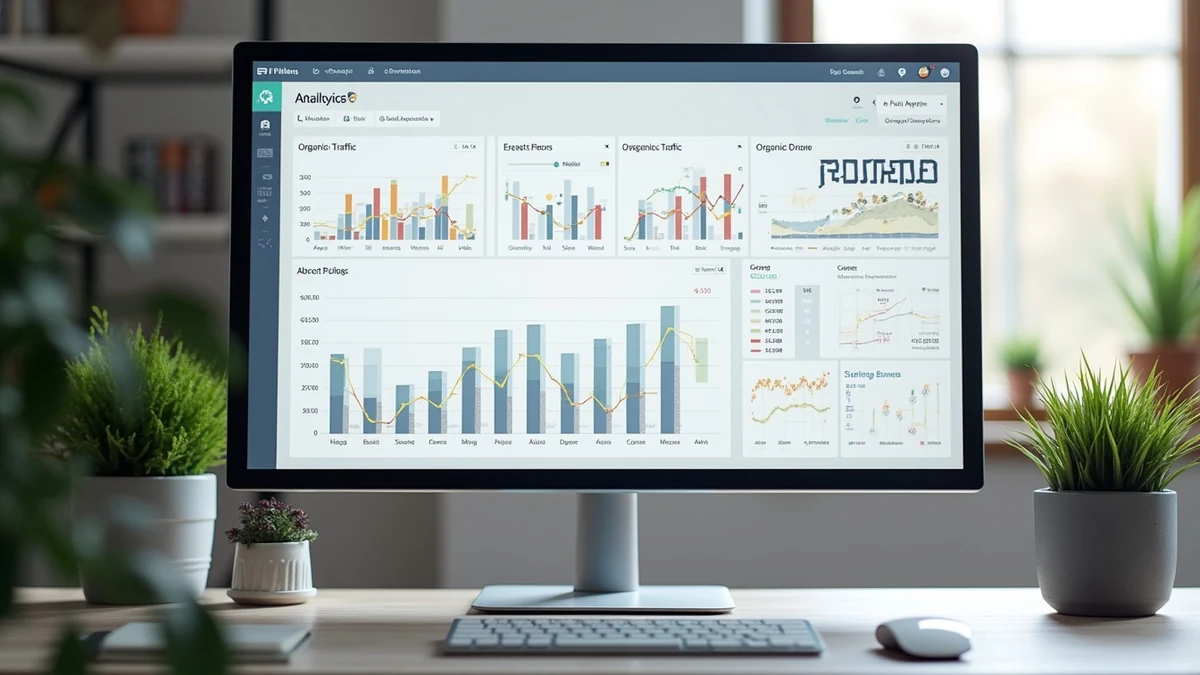
An SEO content calendar is not a static document but a strategy document that is continuously updated. Monitoring the performance of every published content and optimizing future planning with this data increases the calendar's effectiveness. By regularly examining Google Analytics and Search Console data, you can identify which contents bring traffic, which keywords gained ranking, and which topics require more content. This analysis process, Preparing SEO reports should be part of the practice.
Tools Used for SEO Content Calendar
Multiple tools facilitate the process of creating and managing an SEO content calendar. Tool selection varies according to budget and needs, but basically, keyword research, project management, and performance tracking tools are needed.
Keyword Research Tools
Ahrefs, Semrush and Google Keyword Planner are the most commonly used keyword research tools. While Ahrefs is particularly strong in competitor analysis and backlink examinations, Semrush stands out in content gap analysis and topic suggestions. Among free options are Google Keyword Planner and Ubersuggest. Since each tool offers different data points, using multiple tools together provides comprehensive results. Moz's keyword research guide, is a useful resource in this process.
Project Management and Planning Tools
Notion, Trello, Asana and Monday.com are popular tools for content calendar management. Notion, with its flexible structure, allows combining SEO metadata, keyword targets and publishing dates on a single dashboard. Trello's card-based system is suitable for visual tracking of the content production process. Google Sheets also serves as a simple and accessible alternative. The important thing is that the selected tool should be simple enough for all team members to use.
Mistakes to Avoid in Content Calendar
Common mistakes made while creating an SEO content calendar can seriously reduce the effectiveness of the strategy. Recognizing these mistakes and taking precautions increases the return on content efforts.
Ignoring Search Intent
The most common mistake is targeting the keyword but not meeting the search intent. For example, publishing a short definition post instead of a comprehensive guide for the "what is SEO" query leads to high bounce rates and low quality signals because it does not meet user expectations. Matching every keyword with search intent significantly increases the likelihood of the content ranking high on Google.
Failing to Maintain Consistency
Many businesses create a content calendar but start enthusiastically in the first weeks and gradually reduce publishing frequency over months. This inconsistency causes search engines to receive negative signals regarding the site's reliability. While Google considers sites that produce regular content as active and up-to-date sources, it lowers the crawl priority of sites that do not publish content for a long time. It is essential to set a realistic publishing goal for consistency and stick to this goal.
Not Planning the Internal Link Strategy
It is not enough to plan only new content in the content calendar; internal link relationships between new and old content also need to be determined in advance. Connections between topic clusters strengthen topical authority signals and keep users on the site longer. Whenever new content is published, at least 2-3 internal links should be given from relevant old content, and the new content should also be linked to existing content. This process, SEO site architecture and URL hierarchy should be part of the planning.
SEO Content Calendar Template
The template below offers a basic framework you can use to start creating your own SEO content calendar. You can customize this template according to your business's needs and sector.
Weekly Content Plan
A one-week SEO content calendar template can be structured as follows: Monday, publish a comprehensive guide within the scope of pillar content; Wednesday, address a more specific topic related to the pillar as cluster content; Friday, share current content or news based on trend analysis. These three days allow you to produce content in different formats and depths while leaving time for research and planning for the rest of the week. The day each content is published, sharing it on social media channels and announcing it via email newsletter should also be part of the calendar.
The following columns should be included for each post in the content calendar template: Target keyword, search intent type, content format (guide, list, comparison, case study), estimated word count, target publish date, responsible author, SEO title suggestion, meta description, internal link targets and status (planned, writing, in editor, published). This structure makes the content production process transparent and measurable.
Conclusion: Sustainable Growth with SEO Content Calendar
An SEO content calendar is a fundamental tool that provides consistency, strategy and measurability in search engine optimization efforts. Instead of producing random content, a calendar that brings together keyword targets, search intent and topical authority goals with data-driven planning keeps organic traffic growth continuous. Keyword research, competitor analysis, performance measurement and continuous optimization cycle form the backbone of the content strategy.
If you want to get professional support on creating and implementing an SEO content calendar, contact SEOmodi. SEOmodi, under the leadership of Ender Çene, offers expert consulting services to businesses on SEO content strategy, keyword research and building topical authority. Google's helpful content guideIn line with this, you can contact SEOmodi to develop content strategies that meet the expectations of search engines and users.